


_jpg.png)

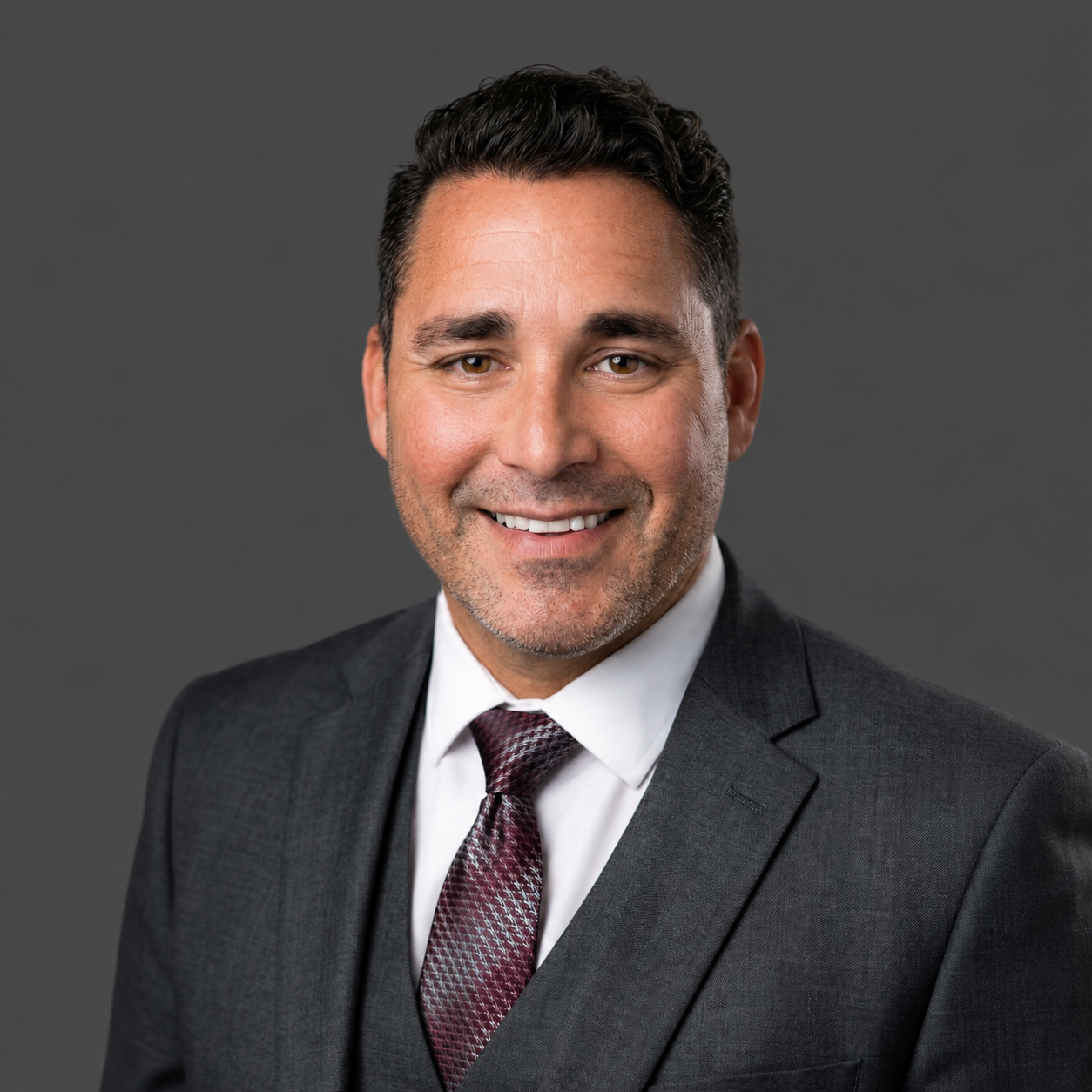
Mequela Moreno is on a mission to reshape concrete jungles into marine sanctuaries, while proving that protecting coastal communities starts with breaking barriers in and outside of the lab.
Moreno, environmental affairs manager for ECOncrete, is now highlighting how the company’s patented additive and surface-based design principles can transform typical coastal infrastructure into a thriving marine habitat. The resulting layer of living organisms also increases a structure’s resilience to flooding, sea level rise, and extreme weather events.
The eco-friendly concrete’s benefits recently led South Florida-based Moreno, also a professor at Everglades University, to St. Petersburg’s Innovation District. She believes the collaborative work emanating from the area helps distinguish Florida from other states, “because we are on the pathway to protecting our coastal resources.”
“We need to come up with solutions now - not in 10 or 15 years, but now,” Moreno said. “And let’s test them and see how they work in a real-world environment. And then help provide funding for them, too. So you’re not leaving smaller companies with ideas to be on their own.”

ECOncrete and the innovation district share that vision, Moreno said. Headquartered in New York, the company was founded in 2012 by two marine biologists and now boasts offices in Spain and Denmark.
Moreno, who left multiple roles with the federal government to join the private sector, is now working to expand ECOncrete’s footprint to Florida. She wants people to know that the company’s proprietary additives, surface textures, and mold designs can help safeguard critical underwater infrastructure while also supporting communities that rely on fisheries and coastal economies.
People often fail to realize that traditional concrete and marine infrastructure can have harmful environmental impacts, Moreno said, as it is “out of sight, out of mind.” She believes seawalls, bridges, pillars, and other structures should have ecological performance standards.
Moreno explained that infrastructure built with ECOncrete structures develops a living layer of oysters, corals, tubeworms, and algae, which attracts fish. “When your fish species show up, guess what? That’s eco-tourism,” she said.
The company’s concrete also acts as an above-water “ecological mattress” that fosters vegetation, which in turn helps stabilize the surrounding environment, Moreno added. “You’re basically recreating the shoreline.”
Shorelines - rapidly disappearing due to development and natural factors - help mitigate flooding and sea level rise. Moreno noted that Florida, with the passage of Senate Bill 302, has signaled a shift toward integrating nature-based solutions into resilience planning.
She said the legislation, which became law in March, fosters innovation and allows eco-friendly companies to thrive. “Most of our engineering techniques have always worked against nature.”
“So now we’re acknowledging that we should partner with nature,” Moreno continued. “Let’s get it right this time.”

She believes the innovation district can serve as a model for supporting small businesses with big ideas to transform marine industries. Moreno hopes to discuss collaboration opportunities with local leaders.
ECOncrete can also support jobs, Moreno said. The company relies on locally sourced labor and sand to complete projects. “We don’t outsource anything.”
A seat at the table
Like many millennials, Moreno grew up watching episodes of Bill Nye the Science Guy. She “never really saw a Black scientist” during her formative years, and wanted to help increase representation for younger versions of herself.
“And then you get to educate your community about our resources to make sure they know that these are the options we have,” Moreno said. “I’m more for the education component, but mostly ensuring we are doing right by this planet.”
She wants the younger generations to know that their background does not impede their ability to succeed in science, government policy, or leadership. “Your experiences can actually become your strength,” Moreno said.
“Many communities facing environmental and economic challenges need voices from people who understand those experiences firsthand,” she added. “I want others to know they belong in these fields, and that success is not about coming from privilege - it is about persistence, passion, and believing you deserve a seat at the table.”
Share Your News with Us
To share news with the Power Broker, connect with reachout@powerbrokermagazine.com. To sign up for our twice-weekly e-newsletter, visit www.powerbrokernews.com; and to join our online conversation, subscribe to our YouTube channel at Power Broker Media Group – YouTube