



- Jun 1
- 4 min read

After decades of unfulfilled promises and three failed all-or-nothing deals, a development team continues highlighting the benefits of a community-led blueprint to reimagine the culturally significant Historic Gas Plant District.
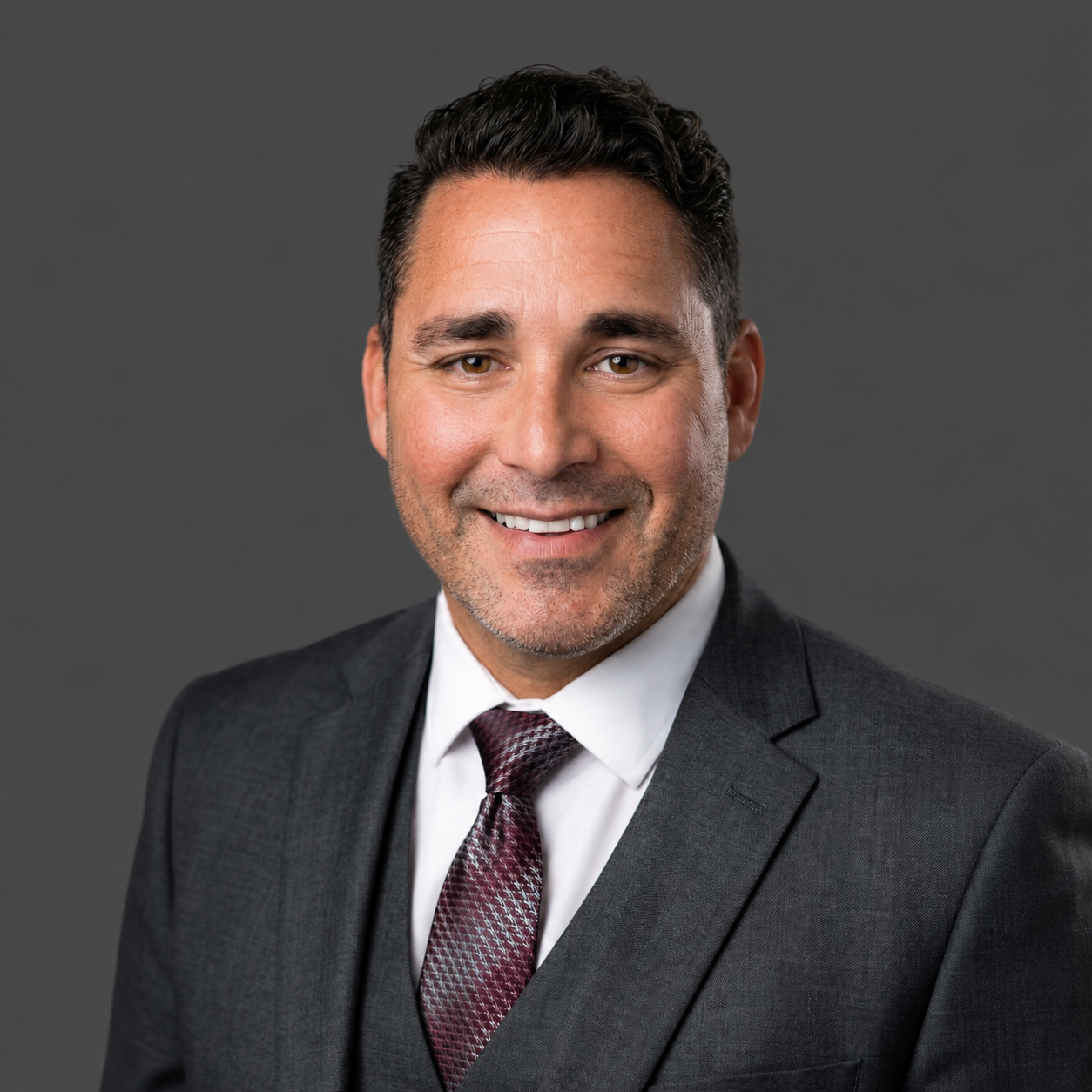
Foundation Vision Partners (FVP), one of the finalists vying to redevelop the 86-acre site, currently home to Tropicana Field, sought community feedback for a unique proposal on Wednesday. Anddrikk Frazier, founder of Best Source Consulting, told attendees that all stakeholders are “invited to the cookout” under his group’s master planning and infrastructure-first approach.
FVP’s redevelopment plan allows the city, rather than a sole developer, to retain ownership of what was once the largest enclave of Black residents in St. Petersburg. Will Conroy, founder of Backstreets Capital, noted the importance of providing detailed information following hurried presentations at a city-sponsored town hall on April 30.
“We just felt it was important to offer another chance for the community to ask us questions, because it is new,” Conroy told Power Broker Magazine. “They’ve heard about this other process for 20 years. And because we’re offering something that’s different for the city, we wanted to allow community members the chance to ask follow-up questions.”

The team believes its model creates generational flexibility, safeguards the project from economic and political changes, enables widespread participation, and will eventually net the city $510 million in land sales.
Conroy explained that selling individual development-ready parcels would prevent a "single point of failure" that derailed previous redevelopment attempts. Proactively completing pre-construction work will increase the value, he said, and the city could still incorporate the most desirable aspects of three other shortlisted proposals.
Frazier used a cooking analogy to illustrate the shift in strategy: Instead of preparing one massive beef tenderloin for his entire family (86 acres), the site should be cut into filets (parcels) so individual stakeholders can decide how to season and cook their steak, he said.
FVP will form a Community Development Council (CDC) to ensure residents remain the project’s stewards throughout the approximately 25-year project’s duration. Input from the city’s Community Benefits Advisory Council (CBAC) is limited to the negotiation phase.
Conroy said today’s children will participate in the redevelopment’s future. “And that’s what this project deserves - we don’t need to capture it all in one moment of time. This is a project that can and should be responsive to multiple generations.”
Here are some excerpts from an extensive question-and-answer session:
Why should the city hire FVP rather than completing the pre-construction work internally?
“The city staff is an incredible group of people, but they do not have enough bandwidth to take this on,” said Conroy, whose companies currently have over 100 pending construction permits. He also noted that FVP has the expertise to advise on and oversee the extensive project.
Conroy’s group includes Gensler, the world's largest architecture, design, and planning firm, and two members of the previous Tampa Bay Rays and Hines development team. “If the city were to do this itself, the intellectual capital they would need to attract, retain, and engage with (other development firms and stakeholders) would be incredibly expensive.”
How would the team’s CDC interact with the city’s CBAC?
A project must receive $10 million in public funding or incentives, or assistance exceeding 20% of its total cost, to trigger St. Petersburg’s community benefits process. Neither aspect would immediately apply to FVP’s proposal.
Frazier said the CDC is in “true control over this process” until the city offers discounted land for affordable housing, museums, or other public amenities. “There is no more important stakeholder in this process than the community - the people who are sitting right here in this room.”

Will there be a specific architectural theme?
Sarah Joubert, who leads Gensler’s Tampa office, said FVP would set design, resilience, and sustainability guidelines for each parcel before a sale to ensure a cohesive district. “We will also be setting the stage for equitable and programmatic uses across the site.”
However, Conroy emphasized the importance of long-term flexibility. For example, he said in 1995, a master developer likely included a massive mall in their proposal.
How will FVP ensure diverse participation?
“From the time that we decided to submit, there was not a stakeholder group that we did not reach out to,” Frazier said. “If there are organizations or entities or socioeconomic groups that feel like they are not a part of the process, please shoot us an email as soon as possible, so we can make sure that you are included in all of our communications and that you do have a seat at the table … but communication works both ways.”
What will FVP make on the deal?
In addition to a $70 million upfront investment in infrastructure, the city would make monthly payments of $150,000 to FVP for planning and placemaking advisory services until the end of each development phase. The group would also charge a 3% and 4% construction and development management fee, respectively, based on the project’s “hard costs,” Conroy said.
“Our development agreement proposal would just be for phase one,” he added. “If we earn the right to phase two, three, and four … fantastic. But if we don’t, and we fall down, the city can uncouple itself from us and select a different developer.”
Share Your News with Us
To share news with the Power Broker, connect with reachout@powerbrokermagazine.com. To sign up for our twice-weekly e-newsletter, visit www.powerbrokernews.com; and to join our online conversation, subscribe to our YouTube channel at Power Broker Media Group – YouTube