top of page
Screenshot 2026-08-25 at 12.33.37 PM.png

orenda-collective-founder-talks-navigating-business-in-challenging-dei-landscape

Orenda Collective founder talks navigating business in challenging DEI landscape

orenda-collective-founder-talks-navigating-business-in-challenging-dei-landscape

Orenda Collective founder talks navigating business in challenging DEI landscape

User.webp

by

Alexia McKay

August 26, 2026

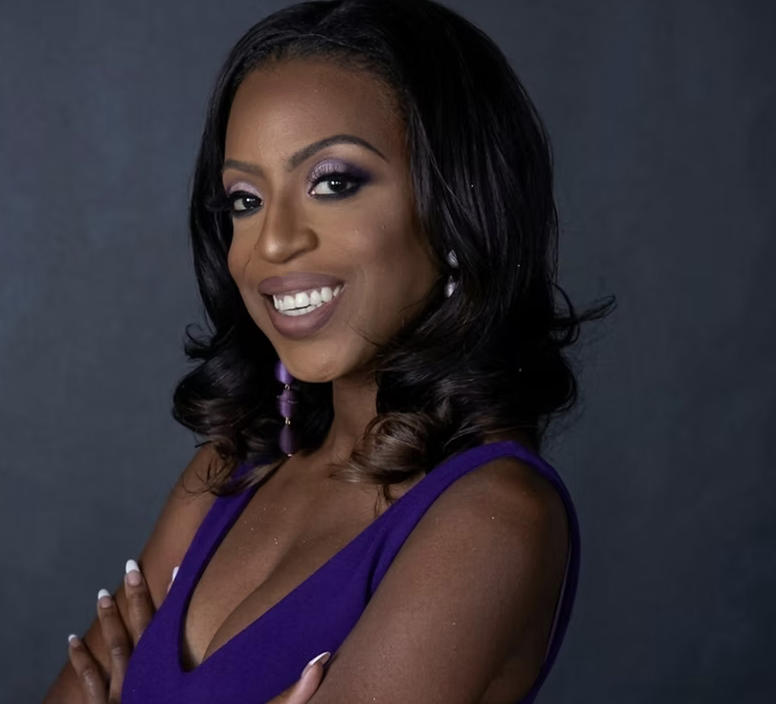
Lakendria Robinson, founder of Orenda Collective

LaKendria Robinson shares with Power Broker News that the political landscape regarding DEI in Florida has made it more challenging to navigate as a business owner whose company thrives on diversity. 


Robinson is the founder of The Orenda Collective, a Black-owned project and management consulting firm based in Tampa, focused on Diversity, Equity, and Inclusion (DEI), supplier diversity and community investment. 


The core of her business has been helping her clients to better connect to diverse businesses and individuals that they can do business with. That includes assisting with the language of business objectives, increasing diverse programming, expanding employee and resource groups and branding to diverse audiences. 


However in recent months, the ability to fulfil that mission has been met with roadblocks from lawmakers. 


The biggest one was in April, when Gov. Ron DeSantis signed a bill that eliminates DEI programs and “prohibits governments from establishing or maintaining DEI offices, officers, or programs.”


Regarding the legislation, Robinson says, “There was one thing to pivot from a language standpoint, there seems to be a more intentional effort more regularly where the government is actually educating themselves on the changes that we are doing on the ground and recreating new legislation to shut down changes we made.”


Since then, many companies and organizations are cutting back on diversity and inclusion outreach from a budgeting standpoint. 


“A lot of them [companies], out of an abundance of caution have eliminated budgeted line items for anything that even remotely resembles DEI, gender-based, racial ethnicity based, even some slightly skewed small business space programs and initiatives and efforts and they’ve taken those dollars and diverted them elsewhere,” Robinson said. 


The cutbacks have triggered a tremendous loss of revenue and strong partnerships for Orenda, whose core purpose is to expand inclusivity in corporate spaces.


“Those bills and that legislation is having a direct negative impact on my business and the business of others who do similar work,” she added. 


Robinson said changes in the political landscape has caused financial hurdles for some companies.


“It has made it very difficult for us to secure public funding or any funding, local or state,” Robinson said. “It’s also made it very difficult for us to go after new clients and also even retain some of our current clients.”
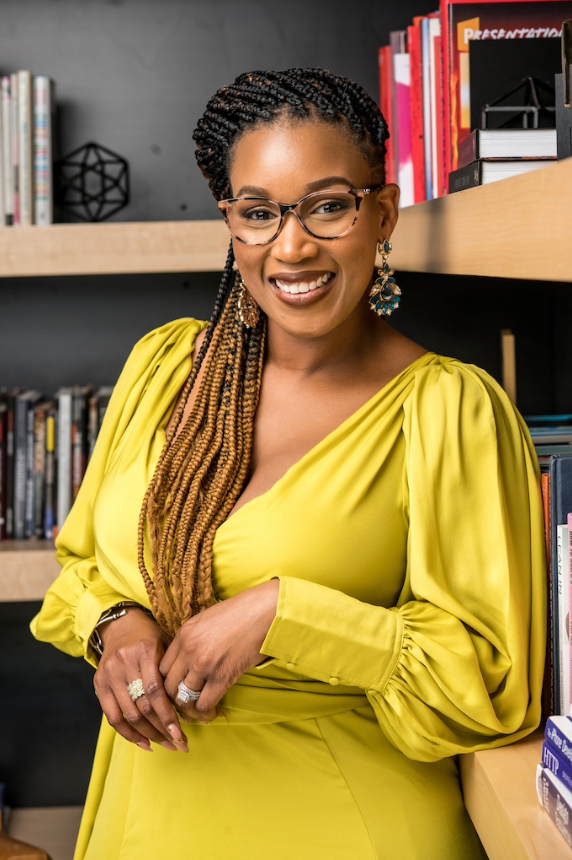


To navigate the landscape, Robinson has taken actions to pivot her work but also remain true to her mission. This adjustment has included altering the verbiage she uses to promote Orenda. 


“Changing and using different, non-DEI language that isn’t likely to be flagged or put into some AI chatbot and then my company becomes a target,” Robinson said. 


She added that, "The biggest shift was learning to lead with the outcomes of our work instead of terminology," she says. “A few years ago, I probably would have started a conversation by talking about diversity or inclusion. Today, I start by asking a client, ‘What business problem are you trying to solve and who are you trying to solve it for?’”


Robinson admits that some avenues have been successful and others not so much because her company is always perceived as a DEI firm. 


“That was language we were using when I started the company and that is what we built a reputation as,” she said. 


Today, the Florida State University graduate and TEDx speaker is more intentional than ever about the recruiting and vetting process of her potential clients.  


“From a safeguarding standpoint, I know when I am working with a client they have a personal mission and the company has its own process and revenue to actually do any sort of DEI or community work.”


When asked about what advice she would give to fellow colleagues facing similar challenges, Robinson was transparent and says she is actively seeking the same insight. 

“All of this is very new,” she says. “All of this has taken on a more aggressive and more public approach. It is a landscape where people’s lives and their livelihoods are in real danger…there are dire circumstances and consequences for people who are continuing to do this work.”


Most Recent

Aug 26, 2026

Orenda Collective founder talks navigating business in challenging DEI landscape

Aug 25, 2026

When Diversity Leaves the Room: Target’s Costume Controversy Exposes the Cost of Rolling Back DEI

Aug 25, 2026

B.I.G Fest 26 celebrates Black business, culture and community in Tampa
033894bf-c207-4b00-808a-c69cabef738a.avif
  • 7 hours ago
  • 3 min read
Lakendria Robinson, founder of Orenda Collective

LaKendria Robinson shares with Power Broker News that the political landscape regarding DEI in Florida has made it more challenging to navigate as a business owner whose company thrives on diversity. 


Robinson is the founder of The Orenda Collective, a Black-owned project and management consulting firm based in Tampa, focused on Diversity, Equity, and Inclusion (DEI), supplier diversity and community investment. 


The core of her business has been helping her clients to better connect to diverse businesses and individuals that they can do business with. That includes assisting with the language of business objectives, increasing diverse programming, expanding employee and resource groups and branding to diverse audiences. 


However in recent months, the ability to fulfil that mission has been met with roadblocks from lawmakers. 


The biggest one was in April, when Gov. Ron DeSantis signed a bill that eliminates DEI programs and “prohibits governments from establishing or maintaining DEI offices, officers, or programs.”


Regarding the legislation, Robinson says, “There was one thing to pivot from a language standpoint, there seems to be a more intentional effort more regularly where the government is actually educating themselves on the changes that we are doing on the ground and recreating new legislation to shut down changes we made.”


Since then, many companies and organizations are cutting back on diversity and inclusion outreach from a budgeting standpoint. 


“A lot of them [companies], out of an abundance of caution have eliminated budgeted line items for anything that even remotely resembles DEI, gender-based, racial ethnicity based, even some slightly skewed small business space programs and initiatives and efforts and they’ve taken those dollars and diverted them elsewhere,” Robinson said. 


The cutbacks have triggered a tremendous loss of revenue and strong partnerships for Orenda, whose core purpose is to expand inclusivity in corporate spaces.


“Those bills and that legislation is having a direct negative impact on my business and the business of others who do similar work,” she added. 


Robinson said changes in the political landscape has caused financial hurdles for some companies.


“It has made it very difficult for us to secure public funding or any funding, local or state,” Robinson said. “It’s also made it very difficult for us to go after new clients and also even retain some of our current clients.”


To navigate the landscape, Robinson has taken actions to pivot her work but also remain true to her mission. This adjustment has included altering the verbiage she uses to promote Orenda. 


“Changing and using different, non-DEI language that isn’t likely to be flagged or put into some AI chatbot and then my company becomes a target,” Robinson said. 


She added that, "The biggest shift was learning to lead with the outcomes of our work instead of terminology," she says. “A few years ago, I probably would have started a conversation by talking about diversity or inclusion. Today, I start by asking a client, ‘What business problem are you trying to solve and who are you trying to solve it for?’”


Robinson admits that some avenues have been successful and others not so much because her company is always perceived as a DEI firm. 


“That was language we were using when I started the company and that is what we built a reputation as,” she said. 


Today, the Florida State University graduate and TEDx speaker is more intentional than ever about the recruiting and vetting process of her potential clients.  


“From a safeguarding standpoint, I know when I am working with a client they have a personal mission and the company has its own process and revenue to actually do any sort of DEI or community work.”


When asked about what advice she would give to fellow colleagues facing similar challenges, Robinson was transparent and says she is actively seeking the same insight. 

“All of this is very new,” she says. “All of this has taken on a more aggressive and more public approach. It is a landscape where people’s lives and their livelihoods are in real danger…there are dire circumstances and consequences for people who are continuing to do this work.”


bottom of page