


_jpg.png)

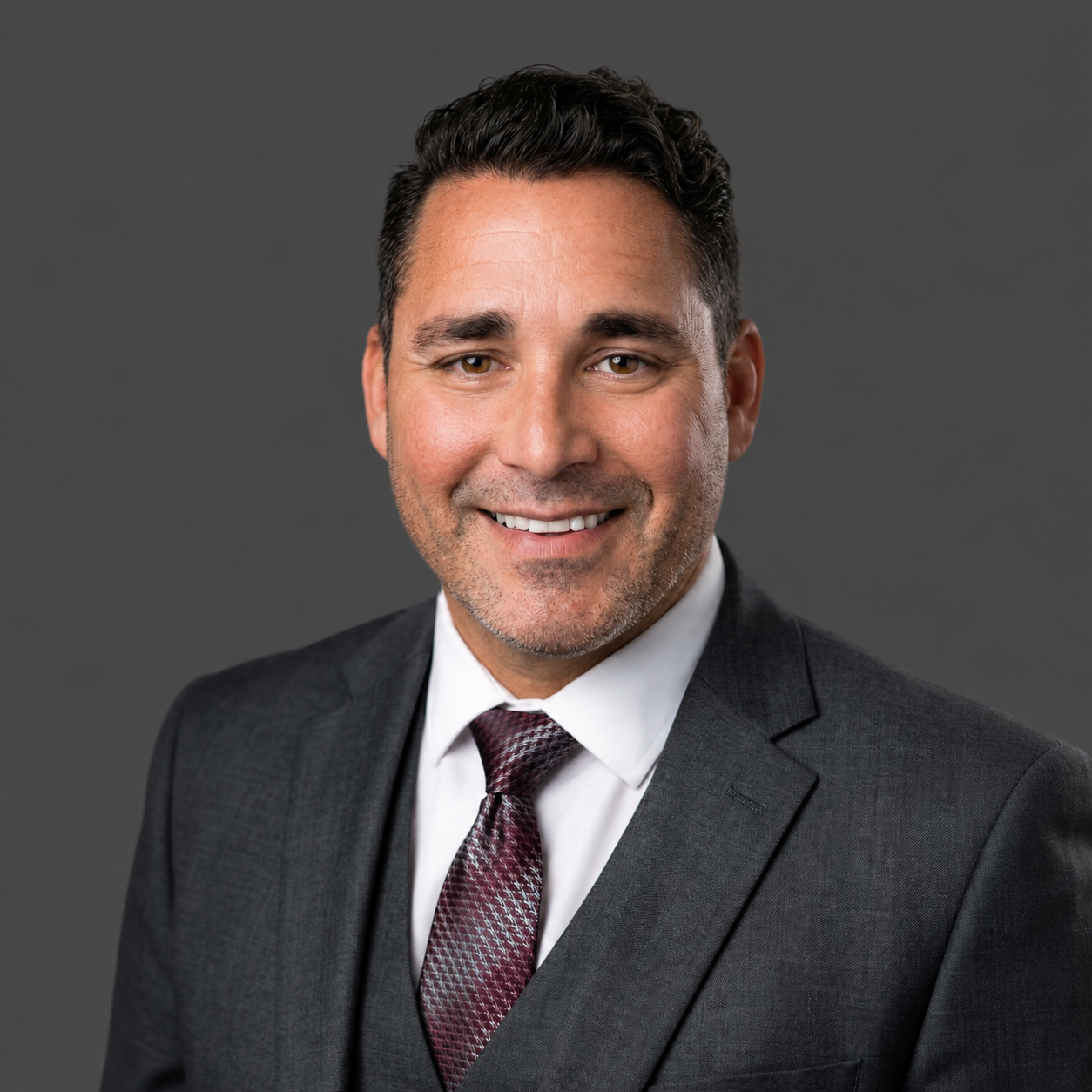
Empath Health quietly restructured its “access and engagement” operations, leading to an outpouring of community concerns. All photos: Empath Health.
Empath Health, which has long touted its inclusive culture and emphasis on engaging underserved communities, just gutted the team responsible for both – without notice.
The organization quietly restructured its “access and engagement” operations, formerly housed under its diversity, equity, and inclusion (DEI) umbrella, with severance agreements and fear of reprisals preventing those affected from commenting publicly.
Word of the departures and changes spread on April 18, after representatives of Clearwater-based Empath atypically skipped the annual African American Health Forum, held that morning. Esther Sanni, president of the St. Petersburg branch of the NAACP, confirmed the rumors that day and noted that most of the casualties were “trusted and culturally connected leaders within our Black community” in a subsequent social media post.
“The key things that really hit me are the loss of local voices and community-rooted leadership,” Sanni told Power Broker Magazine. “I really feel like, because of that, there is a true loss of the cultural piece.”
The layoffs extend from the top down. For example, Empath has disconnected the office number for Karen Davis-Pritchett, vice president of engagement and access, who received the National Council for Negro Women (NCNW) – St. Petersburg Metropolitan Section’s 2026 Humanitarian Award for her work in the community.
Seven affected employees described a “very cold method” of restructuring and a toxic culture, Sanni said. Some were released, and others transitioned from full-time to a contractual basis, leaving them in a state of ambiguity.
Most were either people of color or women. One was a veteran. Sanni questioned why the nonprofit’s leadership did not delay the transition until after last Saturday’s vital forum on health disparities or notify the organizers of their planned absence.
“I think it speaks to the fact that the majority of these individuals are not from our community, and so they’re not aware of what’s taking place and what’s important,” Sanni added. “I think it also raises bigger issues. In particular, it touches on transparency, intentionality, and equity.”
Empath, which recently merged with West Palm Beach-based Trustbridge Hospice to form Florida’s largest not-for-profit post-acute care provider, did not respond to multiple requests for an interview.
The integration with Trustbridge has been two years in the making. Empath could have previously considered how the restructuring would impact employees and the community it has pledged to serve, Sanni said.
The overhaul coincides with the state’s ongoing efforts to prohibit DEI efforts, which could impact Empath’s licensing and funding streams if it were found to violate state laws. When asked if she thought that influenced the layoffs, Sanni said, “You can connect the dots.”
“I’m curious if funding was being affected or being threatened, or did they just make a decision to quietly adjust to avoid any level of negative fallout,” she continued.
Sanni believes the ongoing losses and changes have affected morale, which will cause patient care to suffer. She also wonders “who is at the table now, who is not at the table, and what connection do they have to St. Petersburg?”
Empath’s response
In a social media reply to the NAACP, Empath acknowledged that those who left were “trusted partners within your community.” The organization also understands the impact caused by their absence, “especially without proactive communication.”
The NAACP wrote that while transitions happen, the lack of communication has impacted families, churches, and community partners who “rely on these relationships for guidance, trust, and support.”
Sanni separately noted that “trust is already fragile” between marginalized communities and healthcare providers. Empath acknowledges that reality on its website, which states that “community-rooted healthcare takes decades to build,” yet has eroded that progress, she said.
Empath CEO Jonathan Fleece addressed the still-evolving situation in a letter to employees, obtained by Power Broker Magazine, on Wednesday. He said the organization made difficult decisions to restructure “some of our support services as part of a broader set of deliberate actions to improve how we serve our communities, operate, focus resources, and ensure long-term sustainability.”
Fleece, who frequently attended events supported by the access and engagement team, said Empath is consolidating functions, leaving some roles unfulfilled, and “eliminating a limited number of positions where necessary.” The organization will integrate community engagement into “more roles across the organization,” he wrote.
“This is not a reflection of the dedication, talent, or impact of the individuals affected in this or other departments,” Fleece added. “We are deeply grateful for their contributions.”
He also directly addressed the NAACP. Fleece said he takes the organization’s concerns regarding community representation and inclusion seriously, and “will be addressing them in a way that is true to Empath’s mission, vision, and values.”
Sanni said now is the time for all stakeholders to “speak up and speak truth” about their experiences with Empath. She also encourages former staff to stay connected with one another and remain grounded, aware, and proactive rather than reactive.

In a letter to employees, Empath Health CEO Jonathan Fleece said the organization made difficult decisions to restructure support services “as part of a broader set of deliberate actions to improve how we serve our communities.” All photos: Empath Health
What’s next?
Advocacy groups are reviewing an influx of community feedback to determine next steps. “We’ll show up when needed,” Sanni said.
In a subsequent statement to the Power Broker, Tim Trodden, chief people officer for Empath, expressed a commitment to “listening and working together in service to our community.” He said the organization welcomes the opportunity for an in-person conversation with the NAACP.
Kelly Garrett, who has served as a community partner specialist at Empath for several years, is leading the organization’s transition. “She will be reaching out to partners directly,” Trodden said.
“Across our 11 local boards, we’ve made strides toward representation that better matches our communities, and are doing the same at the parent board level,” Trodden added. “Any community leader, elected official, clergy member, or partner who wants to speak with Empath is welcome to reach out to us directly.”
For questions, comments, or to share your perspective, contact community@empathhealth.org.
Share Your News with Us
To share news with the Power Broker, connect with reachout@powerbrokermagazine.com. To sign up for our twice-weekly e-newsletter, visit www.powerbrokernews.com; and to join our online conversation, subscribe to our YouTube channel at Power Broker Media Group – YouTube